


The Value of Closing the Loop in Incident Management
An incident report is only as valuable as the actions that follow.
Read More →

Finding Answers Fast: Inside RiskClear’s Learning Resource Library
In a busy healthcare environment, nobody has time to hunt through documentation or wait on hold for a support call....
Read More →

More Than a Client List: The Community Behind RiskClear
If you visit our website, you'll see a collection of logos representing the healthcare organisations that use RiskClear across Australia....
Read More →
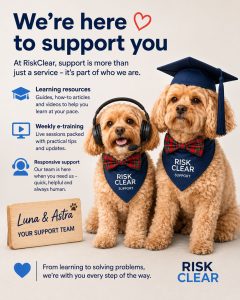
Support That Goes the Distance: How RiskClear Helps Clients Every Step of the Way
Implementing a new platform is a significant step for any healthcare organisation. But what happens after go-live matters just as...
Read More →
Feature in Focus: How We Help Clients Get More From RiskClear Every Week
Getting a new software platform up and running is one thing. Getting your whole team using it confidently and consistently...
Read More →
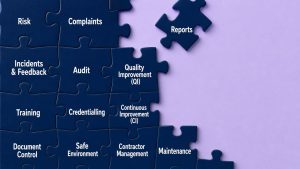
The Governance Puzzle: Why Connected Data Drives Better Healthcare Decisions
Every healthcare organisation manages a vast number of governance activities every single day. Risks are assessed. Incidents are reported. Audits...
Read More →